Smoke Alarm Installation on the Sunshine Coast
Safe, compliant and efficient electrical solutions tailored to your property’s needs, backed by over 30 years of experience.
30+ Years of Experience
Prompt & On-Time
Quality Workmanship
Get a Quote
Thank you for contacting Ralph Ottmann Electrical.
We will get back to you as soon as possible.
Oops, there was an error sending your message.
Please try again later.
Peace of Mind with Code-Compliant Smoke Alarms
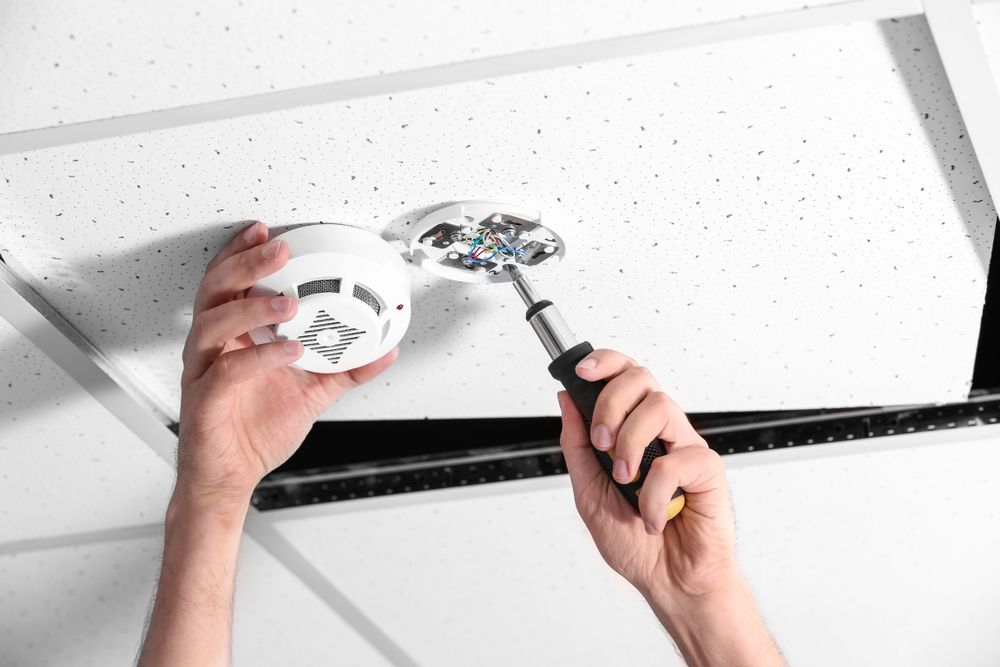
Protecting your home or business starts with reliable smoke detection. Ralph Ottmann Electrical provides professional smoke alarm installation across the Sunshine Coast, ensuring compliance with Australian safety standards. Our team installs, tests and maintains smoke alarms in the right locations to maximise protection for occupants and property. We can upgrade older systems, install interconnected alarms or fit new alarms in renovations or new builds.
With over 30 years’ experience, we deliver safe, efficient and code-compliant smoke alarm installation, giving you peace of mind knowing your property is safeguarded against fire risks. Call us on 0458 999 017 to arrange a quote.
Frequently Asked Questions
Where should smoke alarms be installed?
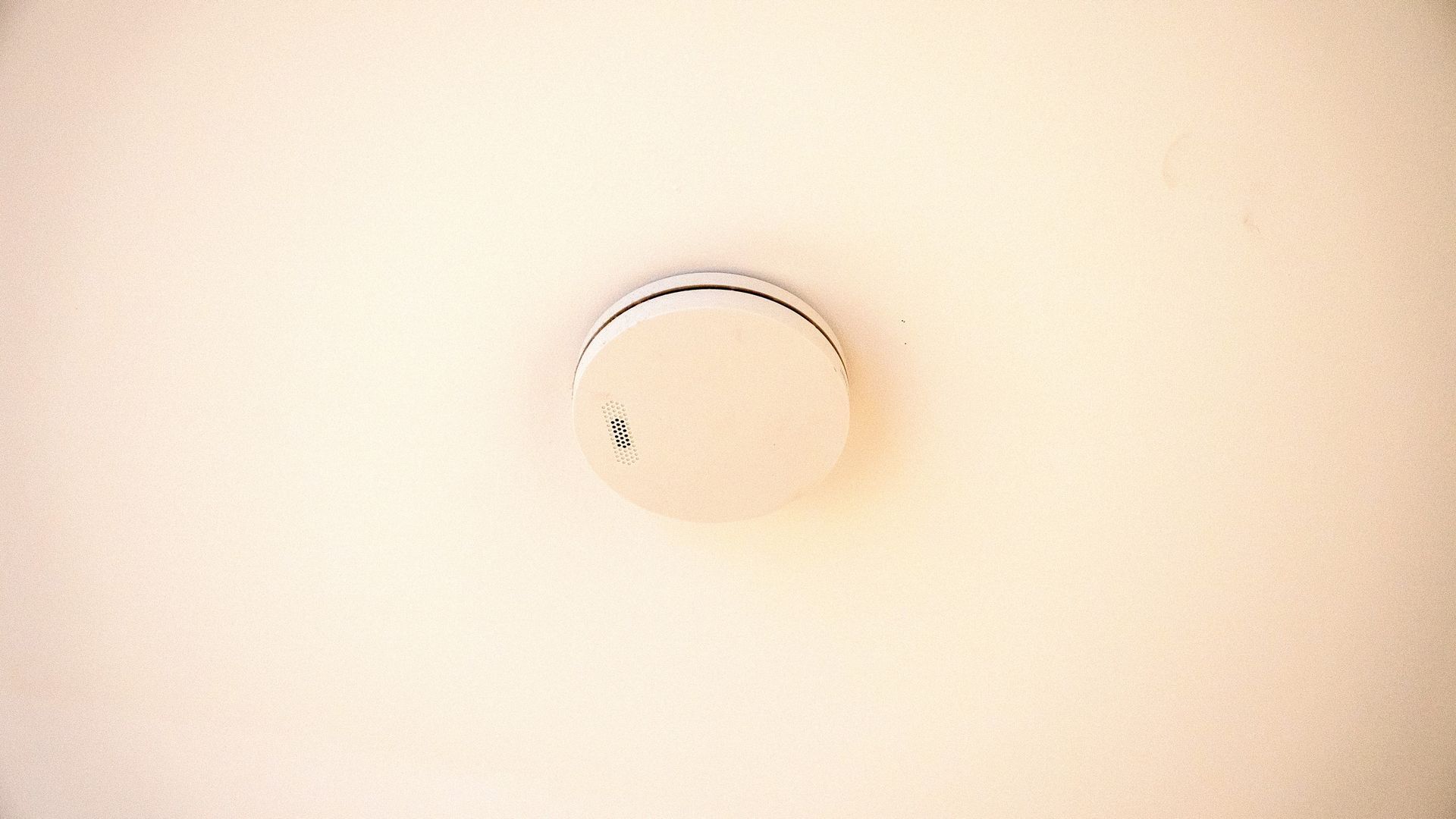
Alarms should be placed on ceilings or high on walls, away from kitchens or bathrooms to avoid false alarms, and in areas with sleeping occupants.
How long do smoke alarms last?
Most smoke alarms have a lifespan of 10 years. After this, they should be replaced.
Can I install smoke alarms myself?
It’s recommended to use a licensed electrician to ensure alarms are correctly installed and compliant with Australian standards.
Why Choose Our Smoke Alarm Experts?
Ensuring your property is protected with reliable smoke alarms is critical. Ralph Ottmann Electrical has over 30 years’ experience providing professional smoke alarm installation across the Sunshine Coast. We handle everything from new installations to upgrades and maintenance, ensuring all alarms meet Australian safety standards. Here's why home and business owners turn to us:
- Tailored smoke alarm solutions for your property
- Expert advice on placement & system types
- Quick, efficient and hassle-free installations